Diet and Inflammation

Diet, Chronic Disease and Inflammation

By Sally J. Feltner, MS, PhD

A lot of recent attention has been paid to the role of lifestyle in many chronic diseases (lately referred to as underlying causes of mortality in the Covid-19 viral pandemic).  Deaths due to this virus have been strongly associated with age, obesity, high blood pressure and diabetes to name a few. Many people with the viral infection have reported to have had at least one or two of these chronic conditions. Obesity alone has been known to be associated with low-grade inflammation.

Diet is one of those lifestyle factors in which somehow, we have gone astray. As we often hear, the Standard American Diet (SAD) is becoming more and more to be a causative factor of our ill health.  As a result, body weight is on the rise and we are becoming more sedentary. Obesity is linked to the metabolic syndrome and type-2 diabetes  and has come to be called the diabesity pandemic.

Recently, we have changed our ideas about diet and heart disease.  Many doctors still think the high fat, high cholesterol diet of the last decade was to blame.  However, this is a simplified view that dismisses the research that now supports the possibility that heart disease is mediated by other biological events other than cholesterol, including oxidative stress (free radicals), insulin sensitivity, endothelial dysfunction and blood clotting mechanisms and most importantly low-grade inflammation. Also, heart disease is now thought to have other risk factors such as high LDL cholesterol, high triglycerides and low HDL cholesterol that may be or not be related to dietary factors.

(FYI – endothelium is the tissue which forms a single layer of cells lining various organs and cavities of the body, especially the blood vessels, heart, and lymphatic vessels.)

We should be aware that inflammation is a double-edged sword. Inflammation in the body is necessary to protect us from infections and cancer and when appropriate from diseases. In its acute state as when you cut your finger, its reactions are self-limiting and resolve rapidly; the process is meant to heal and repair tissue damage.  However, when inflammation is inappropriate, it can get out of hand and contribute to disease, especially chronic diseases. That is when inflammation can become your enemy.  In this type, the inflammatory response needs be controlled or managed or at least short lived. Should it continue on, persisting cytokines of the immune system can produce excessive damage, leading to a number of diseases, including fibromyalgia, lupus, MS, and more. Cytokines can persist and overwhelm the immune response by releasing signals in the nervous system and and may contribute to a “cytokine storm” killing healthy cells as well as the offending agents (bacteria or virus).

(FYI – cytokines are small proteins produced by immune defensive cells that affect other cells and the immune response to an infectious agent. They act as cell messengers.

Can Diet as a Lifestyle Make a Difference in our Susceptibility to Disease and Affect Our Overall Health??

Recently, much has been written about specific foods and dietary approaches you can do to that either promote or reduce low grade inflammation. Keep in mind that this is only speculation, and some is just pure marketing by the food industry to promote a certain brand. At this point, we are beginning to research this more conclusively and in order to do that, studies have to measure whether a certain substance in the diet either raises or depresses what is known as inflammatory biomarkers in the body. The most used is one called high sensitivity C-Reactive protein (hsCRP). Others include inflammatory markers interleukin-1 or interleukin-6 as well as others. To do this involves a simple blood sample. I have had one to measure my inflammatory status a few years ago. If you see a study that claims to have noninflammatory properties, look for the way the study was performed – i.e., did it measure the effects on these inflammatory markers.

The goal of this blog post is to guide us to the right anti-inflammatory foods to reduce your risk of illness. Consistently, pick the wrong ones, and you could accelerate the inflammatory disease process.

Foods that allegedly promote inflammation – try to limit these foods as much as possible:

  • Refined carbohydrates such as white bread and pastries; choose whole grains instead. They need not be gluten-free unless you have some issues with wheat and need to limit its intake.
  • French fries and other fried foods
  • Soda and other sugar-sweetened beverages
  • Red meat (burgers, steaks) and processed meat (hog dogs, sausage)
  • Margarine, shortening, lard (high levels of trans fatty acids)

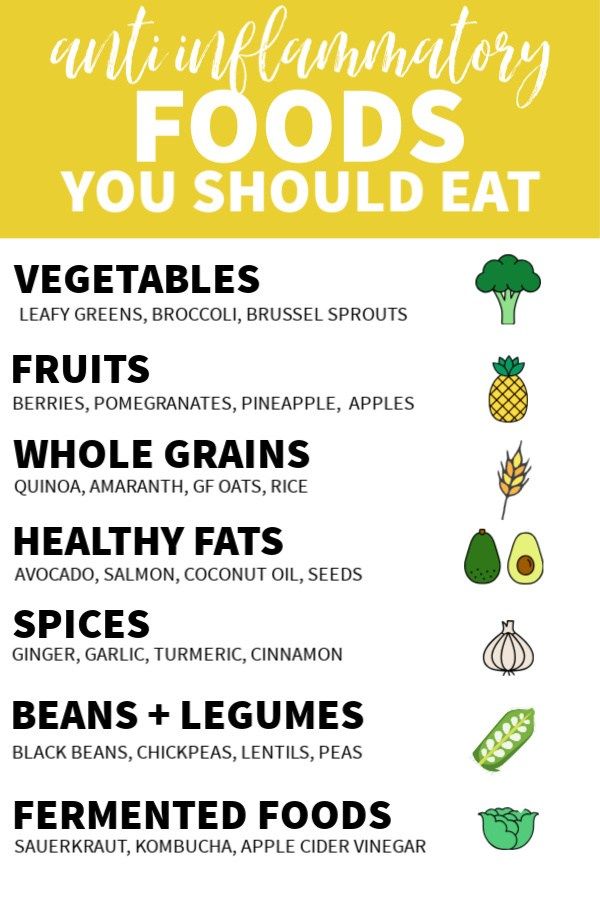
Foods that allegedly reduce inflammation –   include in the diet as much as possible

  • Tomatoes rich in lycopene and carotenoids – healthy phytochemicals usually with antioxidant propertiesHigher
  • Olive oil – rich in monounsaturated fat and phytochemicals
  • Green leafy vegetables such as spinach, kale, collard and other greens – a randomized German study showed that 8 servings of fruits and vegetables for 4 weeks in men had lower levels of hsCRP.
  • Nuts like almonds and walnuts – high in monounsaturated fats
  • Fatty fish like salmon, mackerel, tuna, sardines – Diets rich in omega-3 fatty acids reduced inflammation.
  • Fruits such as strawberries, blueberries, cherries, and oranges
  • Higher fiber consumption was associated with less inflammation in seven studies, using hsCRP as a marker.

Bottom Line:

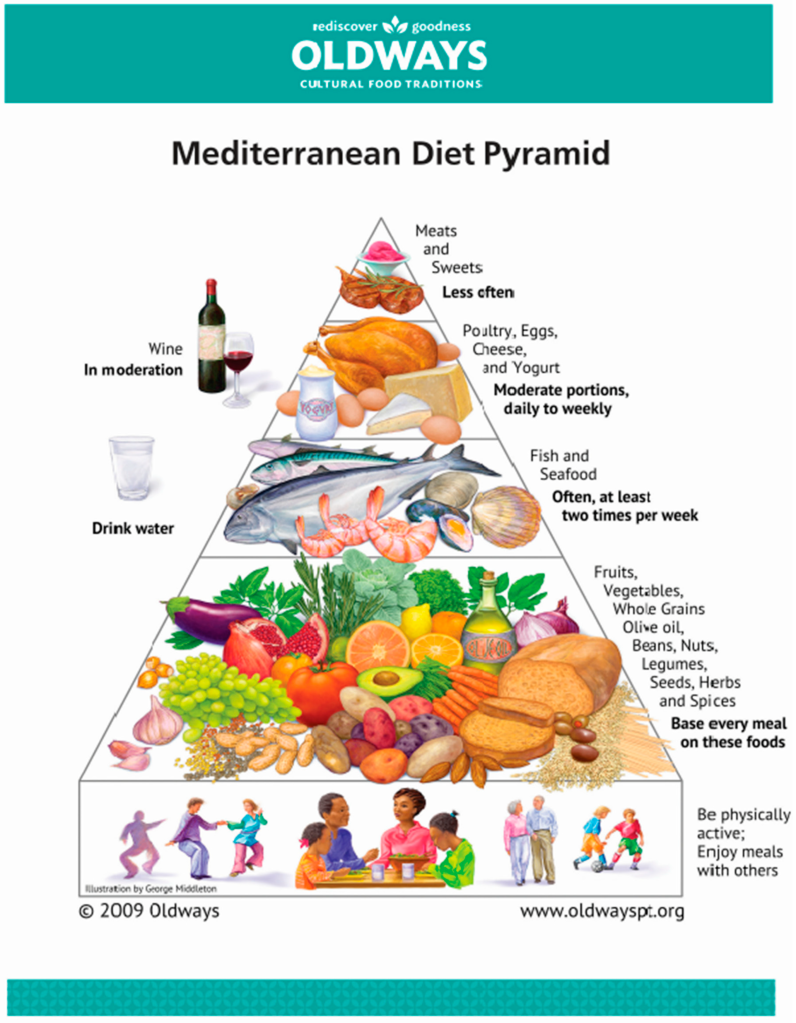
If you’re looking for an eating plan that closely follows the tenets of anti-inflammatory eating, consider the Mediterranean Diet which is high in fruits, vegetables, nuts, whole grains, fish and healthy oils (primarily olive oil).

In addition to lowering inflammation, a more, natural, less processed food diet can have noticeable effects on your physical and emotional health.

The Mediterranean Diet In A Nutshell

A Mediterranean diet is a good example of a diet that reduces low-grade inflammation and at the same time appears to reduce the risk of heart disease. It is a diet pattern that has been studied extensively and without a doubt scores high in the healthy column. It comes highly recommended and contains most of the foods labeled Anti-inflammatory.

High in fresh fruits and vegetables, olive oil, legumes, unrefined grains
Moderate in low-fat dairy
Low in meat
Moderate to high in fish
Moderate alcohol intake

Is All Sugar Equal?

Simple sugars are considered simple because they are small molecules that require little or no digestion before they can be used by the body. They come in two types: monosaccharides and disaccharides. First, here is a little sugar biochemistry.

Types of Carbohydrates

Carbohydrates are chemical compounds that contain carbon, hydrogen, and oxygen. Simple carbs, also called sugars include monosaccharides (fructose, glucose, and galactose)  and disaccharides (sucrose, lactose, and maltose). They are found in foods such as table sugar, honey, milk, and fruit.

Complex carbohydrate include oligosaccharides and polysaccharides. Glycogen is a polysaccharide found in animals, and starch and fiber polysaccharides are found in plants. Sugars and starches consumed in food are broken down in the digestive tract to monosaccharides which can be absorbed in the bloodstream.

The simple sugars the body uses directly to form energy are glucose and fructose. Galactose is readily converted to glucose by the body. So, basically, all sugars and starches (chains of glucose) end up as glucose in the body. When the body has more glucose  than it needs for energy, it converts the excess to fat and and glycogen. The glycogen is stored in the liver and muscles. When the body needs energy, glycogen is broken down making glucose available for energy formation. Glucose can also be obtained from certain amino acids and the glycerol part of fat. A constant supply is needed for the brain, red blood cells, white blood cells and some special cells in the kidney.

What are Added Sugars?

It is now a requirement to state the amount of added sugars on the Nutrition Facts Panel of most food products. Most of the simple sugars in our diet comes from foods and beverages sweeteners as sucrose and high-fructose corn syrup. Added sugars make up 15% of the total caloric intake of Americans.

High-fructose corn syrup is a liquid sweetener found in many soft drinks, fruit drinks, breakfast cereals and other food products.  It consists of 55% fructose and 45% glucose, compared to sucrose that contains 50% glucose and 50% fructose. For example, one 12 oz serving of a soft drink contains about 9 teaspoons of sugar. That’s a lot of sugar and far more than is good for health.

The American Heart Association recommends that women consume no more than 6 teaspoons a day and men only 9 teaspoons a day.

Source: Judith E. Brown, Nutrition Now,  7th Edition.

CLICK HERE.

The Essence of Mindfulness

“Mindful eating is very pleasant” – Thich Nhat Hanh

The following excellent article first caught my eye due to its title – “Of Onions and Olive Oil”? After reading it, I fully appreciate what mindfulness is all about.  How apart the thoughts  presented are from our typical American way of eating –  standing, sitting in the car, in front of the TV, or consuming a whole bag of potato chips in one sitting.

Maybe we should take this time of quarantines, lockdowns, politics and distancing to practice the art of mindfulness even in isolation or with family.  It supports the crazy notion that it is not what we eat, but how we eat. SF

CLICK HERE.

Epidemics and Pandemics: In 3 Acts

” Epidemics unfold as social dramas in three acts,” said by one man named Charles Rosenberg who found inspiration in Albert Camus’s La Peste.

Everyone should read this historical look at epidemics/pandemics of the past and what they tell us about their characteristics and outlooks. There are lessons here to learn and we hope that it is not too late to exercise many of these in our own current dilemma. It was written by David S. Jones and was published in The New England Journal of Medicine, March 12, 2020.

CLICK HERE.


The Rising Rate of Obesity and Its Consequences

“The headlines this week broadcast the following research:  Doctors at NYU Langone Health center conducted the largest study so far of US hospital admissions for COVID-19, focused on New York City. They found obesity, along with age, was the biggest deciding factor in hospital admissions, which may suggest the role of hyper-inflammatory reactions that can happen in those with the disease.”

Just what are the latest facts and implications about our obesity epidemic in the U.S.?

This data is from the U.S. Centers of Disease Control and Prevention in February 2020 and presented in Life Extension Magazine, May 2020.

  • A startling result is that 42.4% of adults are obese. Additionally, 31.8% were overweight.
  • This situation is expected to not improve statistically. A study in the New England Journal of Medicine estimates that by 2030, the percentage of obese American adults will rise to 48.9%. These percentages reflect a total of $446 billion dollars of medical costs annually.
  • Women, African Americans, and those with a low socioeconomic status are affected at a significantly higher rate.

What are the medical implications?

  • Excess body weight increases the risk of developing and dying from a broad spectrum of cardiovascular diseases, cognitive disorders (e.g. Alzheimer’s) and at least 13 different types of cancers.
  • Obesity has been determined to be the underlying cause of approximately 20% of deaths in the United States.
  • An analysis of 57 studies encompassing 900,000 individuals published in Lancet found that for every 5 point increment in Body Mass Index was associated with a 30% increased mortality risk.
  • Additional negative effects of excess weight include fatty liver disease, sleep apnea, chronic pain syndromes like low back pain, IBS, osteoarthtis, depression, negative pregnancy outcomes, and chronic inflammation.

Foods that Kill

There are many factors that contribute to the rise in obesity rates; however, diet and lifestyle have recently been identified and collectively referred to as components of the Standard American Diet (SAD). One of these is processed food.

  • Processed foods tend to be high in added sugar, salt, oil and unhealthy fats are often mentioned as well as ultra-processed foods that are so altered that they hardly resemble their original whole-food state.
  • The food industry refers to them as an “industrial product” loaded with additives that attempt to enhance the food’s characteristics such as food stability, shelf life, textures, colors, and flavors. They are often referred to as emulsifiers, humectants, and sequestrants or others that have barely recognizable names.  Ultra-processed foods are often ready-to-eat, require minimal preparation and are highly marketed. Ultra-processed foods account for more than 60% of dietary energy in the U.S.
  • Populations that have the lowest intake of processed foods exist and have been recently studied and known as the Blue Zones. These are groups of individuals that live an average of 10 years longer than those in cultures who consume the SAD, otherwise known as the Western diet. These areas are found around the globe in Sardinia, Italy, Ikaria, Greece, Okinawa, Loma Linda, California, and Nicoya, Costa Rica.
  • An observational study of Spanish university graduates followed participants for a median of 10.4 years. Consumption of an average of 5.3 servings of ultra-processed food per day, compared to an average of less than 1.5 servings per day, was associated with a 62% increase for all-cause mortality. For each additional serving, this risk increased by 18%.

What Is the Optimal Diet?

There are numerable reports on the health benefits of vegan, vegetarian, or plant-based diets. However, there is one diet that has been studied extensively for its healthy effects called the Mediterranean Diet. There is no one Mediterranean diet; however, it is usually associated with the intake of vegetables, fruits, whole grains, beans, nuts and seeds, extra-virgin olive oil, fish, seafood, moderate amounts of poultry, eggs, and dairy products. Red meat and sweets are limited as well as a low intake of processed foods.  A moderate intake of wine is acceptable. (moderate = 1-2 glasses).

Conclusions:
A possible molecular explanation for why overweight is harmful has been discovered by researchers. They suggest that overeating increases the immune response. This response causes the body to generate excessive inflammation  during the COVID-19 infection and that inflammation is at the core of many other chronic diseases.
University of Oslo. “Being overweight causes hazardous inflammations.” ScienceDaily, 25, August 2014.
If current trends continue and we find that 50% of our population is in the obese weight category, there will be alarming rates of catastrophic health consequences. Our health care costs will become unsustainable. It is a common belief that as long as you are not obese, you can be overweight and still be healthy. This is not always true. Many studies have found that a higher weight was associated with a higher risk of dying; however, this has remained  a major debate issue among obesity experts.

How Safe are Salad Bars?

I may be paranoid but salad bars have never been appealing to me. The lettuce alone sits there sometimes for long periods of time and the temperature is almost impossible to maintain to be constant at less than 40 degrees. F. Anything above that for cold foods is called the danger zone for microbe growth. That zone is so important in practicing food safety principles and your health.

Note: The coronovirus itself has never been implicated in any food safety issue to my knowledge. However, until it is determined what its modes of transmission are beyond any doubt, food safety is a good idea for general healthy principles anyway.

CLICK HERE.

Food for Thought?

Reliable nutrition research is hard to find – at least the kind of studies that have no obvious conflicts of interest or bias from the food industry. Here are two recent studies that I found that appeared to have some legitimacy and no conflicts of interest. Source: Life Extension

Weight Loss and Breast Cancer Risk

It has been known for some time that excess body weight raises the risk of breast cancer.

Study Method: A large study that included 180,000 female subjects over 50 years of age had their weight assessed three times in 10 years by researchers from the American Cancer Society, the Harvard T.H. Chan School of Public Health, and others. They found that women who lost about 4.4 lbs to 10 lbs. had a 13% lower risk, women who lost 10 lbs to 20 lbs had a 16% lower risk, and those who lost 20 lbs or more had a 25% lower risk.

Women who lost weight, and then regained some of it back, also had a reduced risk of breast cancer compared to women whose weight remained stable.

Conclusions/Authors: “Our results suggest that even a modest sustained weight loss is associated with lower breast cancer risk for women over 50. These findings may be a strong motivator for the two-thirds of women who are overweight to lose some of that weight, one author said.

Source: Journal of the National Cancer Institute, 2019 Dec.

Blueberries and Metabolic Syndrome

Researchers evaluated the effects of blueberry consumption on indicators of oxidative stress (free radicals) and inflammation in patients with metabolic syndrome. Oxidative stress occurs when cells are exposed to more oxidizing molecules (free radicals) than to antioxidant molecules that neutralize them. Over time, it increases the risk of heart disease, type 2 diabetes, cancer and other diseases. Blueberries have been found to have antioxidant functions as a result  of phytochemicals called polyphenols.

Metabolic syndrome is a cluster of conditions that includes some combination of high blood pressure, abdominal obesity, high blood sugar, and abnormal lipid profiles (HDL, LDL, trigycerides, total cholesterol). The syndrome is associated with a highly pro-inflammatory environment in the body and a sharp increase of risk for heart disease, stroke, and diabetes.

Method: For the study, one group of patients received a smoothie containing 22.5 grams of freeze-dried blueberries, (about 2 cups of fresh blueberries.) The other group received a placebo smoothie twice a day.

Results: After six weeks, blueberry supplementation markedly decreased oxidative stress in whole blood and monocytes (white blood cells as part of the immune system). Supplemented patients also had a reduced expression of inflammatory markers in the monocytes.

The researchers noted that to their knowledge, this was the first study to yield significant improvements in oxidative and inflammatory parameters in patients with metabolic syndrome just after six weeks of blueberry consumption.

Note: As with all research, one study is not sufficient to form conclusions – the study results need to be replicated.

Looking for more reasons to eat blueberries? A University of Illinois study tested different fruits for the presence of a particular polyphenol that inhibits a cancer-promoting enzyme. Of all the fruits tested, wild blueberries showed the greatest anticancer activity.

Throw them on a salad, in blender with a protein powder, eat them frozen with a dollop of yogurt. Put them on your morning cereal.


I


How much sugar?

We know in times like these, our sugar intake is the last concern on our minds. In fact, we may be eating more of it due  to stress and discontent of our current environment.   But when this horrible pandemic is over, we have to try to get back to improving our diets as much as possible to make up for lost time. Here is a good article about sugar intake that is in reality reasonable and informative in general about the glycemic index, fructose, and artificial sweeteners and processed foods.

CLICK HERE.

Dining Through the Decades: 1910’s

This is the second post of the ongoing Food History Dining Through the Decades series.  I hope to make them as factual as possible; sources are given when available.  Food is a fascinating topic when we can appreciate what came before us in many ways that sometimes reflects the origins of our food supply that exist currently. Enjoy!!

During  this decade, the world saw the beginnings of scientific discoveries that  evolved primarily due to dietary deficiencies that could be  cured by the consumption of unknown vitamins and minerals.

The 1910s also saw the beginning of the proliferation of processed foods. In just 10 years, Hellmann’s mayonnaise, Oreo cookies, Crisco, Quaker Puffed Wheat and Puffed Rice, Marshmallow Fluff Nathan’s hot dogs and Kellogg’s and C.W. Post made an entry into the food culture.

A death knell sounded in January 1919, when the Eighteenth Amendment — otherwise known as Prohibition — was ratified and scheduled to go into effect on January 16, 1920.

Pellagra: A Story from Medical History

In the early 1900’s, mental hospitals in the Southeastern U.S. treated many patients with dementia caused by a disease named pellagra. At that time, it was thought that an infectious agent or toxin caused the disease. Symptoms of a deficiency included skin rash, weakness, and mouth sores. When not treated, pellagra can lead to what is called the 4 D’s: depression, dementia, dermatitis, and death.

The disease was first noticed in Europe around 1720 and coincidentally during that time, corn or maize was beginning to be imported from the Americas to Europe where it was grown in many areas. Some physicians from Spain noticed that the disease may be associated with corn-based diets; others stuck to to the toxin theory and spent many years searching for its origin with no success.

A major epidemic occurred in the early decades of the 1900’s in the Southeast U.S. that prompted the government to begin a series of pellagra studies. By 1928, the epidemic peaked with the number of cases reaching 7,000 deaths. One of the investigators was Dr. Joseph Goldberger who believed that diet played a role.

To show that the disease was not caused by a toxin, Goldberger and 15 others including his wife, voluntarily drank or injected themselves with blood, urine, feces and skin cells from pellagra patients and no illness occurred. They later put these materials in capsules.

It was observed that the disease struck people who ate diets were mainly of corn meal, salt pork, lard and molasses. When given meat, eggs and milk, the disease rates became less prevalent.  Goldberger did just that in an experiment with volunteer prisoners. When most of the prisoners suffered from pellagra on the deficient diet, Goldberger concluded that the diet was the culprit and could be cured by what he called a “P-P factor.” More than 30 years later, an American biochemist, Conrad Elvehjem finally proved that the P-P factor was nicotinic acid, commonly known as the B vitamin,  niacin.

The B vitamins consist of eight distinct vitamins that help cells function optimally. Many Americans, especially the elderly, don’t meet the Recommended Dietary Allowances (RDAs) for three of them: B6, B12, and folic acid. Years ago, these deficiencies were a common cause of death.

Have you ever wondered why they add B vitamins (niacin, riboflavin, and thiamine) to flour, refined bread and pastas? Not until 1936, did the Council on Foods and Nutrition of the American Medical Association recommended the fortification of food. This led to the voluntary enrichment of flour with the B vitamins (thiamin, riboflavin, niacin) and iron. This resulted in a decrease in deaths from pellagra of over 3,000 in 1938 to only about 1500 in 1943. Then mandatory enrichment in most states further decreased the death rate to nearly zero by1954.

How quickly we forget how severe a nutritional deficiency disease can become. Other deficiency diseases from B vitamins alone in the early days of refining flour included beriberi from a thiamine deficit and ariboflavinosis from a lack of riboflavin. Thanks to early nutrition research, we now are free at least in developed countries of these highly preventable deficiency diseases.

Source: Smolin and Grosvenor, Nutrition: Science and Applications, Third Edition. Pellagra: Infectious Disease or Dietary Deficiency? p 339.

Park, Y.K., Sampos, C. T., Barton, C.N. et al. Effectiveness of food fortification in the United States. The case of pellagra. Am. J. Public Health 90:727-738, 2000.

Food on The Titanic – The Last Dinner

The ship boasted elegant cafes and opulent dining saloons equal to the finest restaurants in the civilized world. “Its main galley prepared more than 6,000 meals a day.  Its other galleys included a butcher shop; a bakery; vegetable kitchens; specialized rooms for silver and china; rooms for wines, beer and oysters; and huge storage bins for the tons of coal needed to fuel the 19 ovens, cooking tops, ranges and roasters.

First class and second-class passengers were served delicious delicacies in up to 13 courses with different wines that could last four or five hours. The third-class meals featured items such as hearty stews, vegetable soup, roast pork with sage and onions, boiled potatoes, currant buns, biscuits and freshly baked bread with plum pudding and oranges which may also have been appealing, especially for those who worked as employees and staff.”

On April 10, 1912, RMS Titanic set sail from Southampton, England, on its maiden voyage, headed for New York City. Four days into the journey, at about 11:40 p.m. on April 14, Titanic struck an iceberg in the North Atlantic. The force of the impact ruptured the hull, filling the ship’s interior with some 39,000 tons of icy seawater before it plunged under the surface. The ship sank in less than three hours at 2:20 a.m., April 15th. The Carpathia picked up the last of the 711 survivors by 8:00 p.m.; 1490 people died. “All the kitchen staff died except for a 17-year-old cook. He was helping a woman carry a child and was swept overboard when the ship went under. Later, he was picked up by a lifeboat.” (

So what did Titanic’s passengers eat hours before their “unsinkable” ship met its tragic end? From a recovered evening menu for the first-class passenger dated April 14, 1912:

Raw Oysters and assorted hors d’oeuvres

Consommé Olga (veal stock soup flavored with sturgeon marrow) or Cream of Barley soup

Poached Atlantic Salmon with Mousseline Sauce

A choice of:

Filet Mignon Lili or Saute of Chicken Lyonnaise

A choice of:

Lamb with Mint Sauce or Roast Duckling with Applesauce or Sirloin of Beef with Chateau Potatoes

A choice of:

Roast Duckling with Applesauce or Sirloin of Beef with Chateau Potatoes.

Side dishes included creamed carrots, boiled rice and green peas, and boiled new potatoes.

Midway through this epic meal, a palate cleanser known as “punch romaine” was served, made with wine, rum and champagne.

The sumptuous array then resumed with roast squab with cress, cold asparagus vinaigrette and pâté de foie gras.

Dessert choices included peaches in chartreuse jelly, chocolate and vanilla éclairs, Waldorf pudding and French ice cream. Next, an assortment of fruits, nuts and cheeses was presented, followed by coffee, port, cigars and cordials.

The first-class passengers, then congregated in the smoking room or in the elegant, horseshoe-shaped reception room, where the ship’s orchestra played a selection of light classical and popular music until 11 p.m. According to accounts – on the night of the tragedy, the band played on until the survivors had embarked on life boats.

Source:    Suzanne Evans – History Channel

Source:  Linda Civetllo Cuisine and Culture, 2nd Edition, p 291

World War 1, Rationing and Liberty Dogs

World War I had an interesting effect on American food. The United States joined World War 1 in 1917. The war wasn’t popular (what war is) and was a problem for immigrants. The war was complicated. According to food historian, Linda Civitello, “The Irish hated the British and the Jews objected to Russia, both allies of America. America had a large population of German-speaking citizens and those of German descent and Germany was the enemy, so Americans turned against hot dogs and sauerkraut but they would eat “Liberty hotdogs,” and Liberty cabbage. They bought Liberty bonds, and Liberty gardens. Italian immigrants were not favored either until Italy switched sides midway during the war. Then, Italian food became a popular food of an ally.”

Source: Linda Civitello, Cuisine and Culture: A History of Food and People, Second Edition, p. 293.

President Herbert Hoover encouraged voluntary cuts on beef and wheat needed by the U.S. and allied troops in Europe. Initially, there was no organized rationing at first, except for wholesale purchases of sugar. Rationing started in January 1918 and affected sugar, meat and butter.

Vegetable gardens encouraged home canning and drying, home baking; cooks used molasses instead of sugar. A new product called Crisco became a substitute for lard and peanut butter was used as a protein substitute for meat.

American began to learn about calories, proteins, carbohydrates and the importance of using fruits and vegetables. They were persuaded to eat less if it did not harm their health. Perhaps that is a lesson we should learn today.

Americans got their first taste of meatless meals and got used to bean loaf instead of meat loaf. Meatless days became the norm but as expected, this sometimes led to inflation, panic, hoarding and black-market sales.

“On November 11, 1918, World War I ended in an armistice. “Hunger does not breed reform; it breeds madness,” said President Wilson in his Armistice Day address to Congress. All food regulations were suspended in the United States but remained in effect in Britain and Europe for several months thereafter.”

Source: The Oxford Companion to American Food and Drink. Oxford University Press, Edited by Andrew F. Smith. 2007.

The Supermarket

Self-serve supermarkets were introduced in 1912 in California. Instead of having to give a list to a grocery clerk who then proceeded to gather the items from the back of the store, customers could shop the aisles themselves. Stores such as A&P had a thousand items (now we have at least 30,000). The Alpha Beta Food Market and Ward’s Groceteria were soon followed by Mercantile’s Humpty Dumpty Stores. The A&P had at its base 500 stores and will open a new store every 3 days for the next 3 years as it stops providing charge accounts and free delivery and bases its growth on one-man “economy” stores that operate on a cash-and -carry basis.

Produce ads in the 1910s highlighted point of origin (California figs, Florida oranges, Jersey tomatoes, Baltimore beans, Maine Sugar Corn, Ceylon Tea). Today we hardly know where they come from. The processed food industry continued to greatly expand with Hellman’s mayonnaise, Oreo cookies, Crisco, Quaker Puffed Wheat and Puffed Rice, Marshmallow Fluff and Nathan’s hot dogs.

Source: The Oxford Companion to American Food and Drink, Oxford University Press. Edited by Andrew Smith, 2007.

Grocery: The Buying and Selling of Food in America, Michael Ruhlman, Abrams Press, 2017

The Century in Food: America’s Fads and Favorites/Beverly Bundy


Expanding Waistlines/The First Diet Book
In spite of food rationing later in the decade, a new trend was beginning – expanded waistlines. Over-indulgence that began in the first part of the decade continued with the upper-class menus still abundant in meats, shellfish, pȃte and mousses. It was readily accepted that plumpness was chic before World War I. Even the president of that time, William H. Taft was a hefty 300 pounds. There was no doubt that his favorite meal, Lobster Newburg contributed to his waistline.

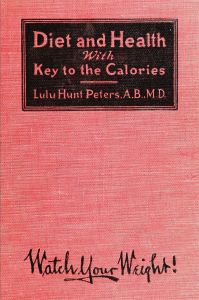
Needless to say, the first diet book was published in 1918, written by Dr. Lulu Hunt Peters entitled Diet and Health with a Key to the Calorie. Dr. Peters recommended that we all should count calories our entire life. Coincidentally, the Continental Scale Company produces the first bathroom scale name the “Health-O-Meter” in 1919. 


Mr. Peanut

George Washington Carver, born a slave right before the start of the Civil War was an American agricultural scientist and inventor. He actively promoted alternative crops to cotton and methods to prevent soil depletion. He was the most prominent black scientist of the early 20th century.

While a professor at Tuskegee Institute in 1915, Carver developed techniques to improve soils depleted by repeated plantings of cotton. He wanted poor farmers to grow alternative crops such as as a source of their own food and to improve their quality of life. The most popular of his 44 practical bulletins for farmers contained 105 food recipes using peanuts. Although he spent years developing and promoting numerous products made from peanuts, none became commercially successful. He received numerous honors for his work, including the Spingarn Medal of the NAACP. In an era of high racial polarization, his fame reached beyond the black community. He was widely recognized and praised in the white community for his many achievements and talents. In 1941, Time magazine dubbed Carver a “Black Leonardo”. Wikipedia.

Tidbits and Trivia Timeline

Mazola salad and cooking oil – the first corn oil available for home consumption-is introduced by the Corn Products Refining Co. This will open the door for the many vegetable oils we have today that dominate the market with promises of health benefits, i.e. reduced heart disease rates. 1911

Crisco introduced by Proctor and Gamble is the first solid hydrogenated shortening. The marketing described their product as a “Scientific Discovery Which Will Affect Every Kitchen in America.” What was not known was that this process could have far-reaching  anti-health effects that could affect every American’s health. 1911

Large-scale pasta production begins in the United States by an Italian-American pasta maker, Vincent La Rosa in Brooklyn, NY. Until then most pasta had been imported from Naples but ceased with the onset of World War I. 1914

70% of Americans are using lard for cooking and baking. Butter consumption is still high; and the mortality rate from heart disease is below 10%. 1914

The first electric refrigeration is introduced for commercial use, but it wasn’t until after World War I that they became more available for home use. Lettuce, asparagus, watermelons, cantaloupes, and tomatoes grown in California’s irrigated fields are transported 3,000 miles away in refrigerated rail cars bringing a lot more variety to the consumer. 1914 

Large-scale pasta production begins in the United States by an Italian-American pasta maker, Vincent La Rosa in Brooklyn, NY. Until then most pasta had been imported from Naples but ceased with the onset of World War I. 1914

U.S. per capita consumption of white granulated sugar reaches a level twice what it was in 1880 as Americans give up molasses and brown sugar in favor of white sugar. 1915

A mechanical home refrigerator is marketed for the first time in the U.S., but its $900 price tag discourages buyers, who can buy a good motorcar for the same money. 1916

Yale biochemists Lafayette Benedict Mendel and B. Cohen show that guinea pigs cannot develop vitamin C and fall prey to scurvy even more easily than do humans. 1918

U.S. ice cream sales reach 150 million gallons, up from 30 million in 1909.  1919

E.V. McCollum discovers a substance in cod-liver oil at Johns Hopkins that can cure rickets and xerophthalmia. Xerophthalmia is an abnormal dryness  of the eye membranes and cornea that can lead to blindness. The substance will later be called vitamin D. 1920

Bon Appetit!


The Optimum Diet: Fiber?

Vegetarian food vegetables, nuts and legumes.

The following article covers the role of fiber in our diet and how it contributes to health. The rise in inflammatory bowel disease (Crohn’s disease and ulcerative colitis) has triggered a new interest in the role of fiber that is sadly deficient in the Standard American Diet (SAD). Could a lack of fiber be implicated?

The dictionary defines it as:

Dietary fiber(British spelling fibre) or roughage is the portion of plant-derived food that cannot be completely broken down by human digestive enzymes. It has two main components:

CLICK HERE.